
The term Ciulioneros has begun to catch attention across different cultures, arts, and digital conversations. Though unfamiliar to many, this name refers to a unique cultural identity and creative expression that bridges history, tradition, and modern inspiration. Whether in art, dance, performance, or online spaces, Ciulioneros has moved from obscurity into a symbol of creative continuity and cultural resilience.
Today, this blog explores what Ciulioneros means, how trends have shaped its presence, the cultural facts behind its significance, and its broader impact on art, community, and creative identity.
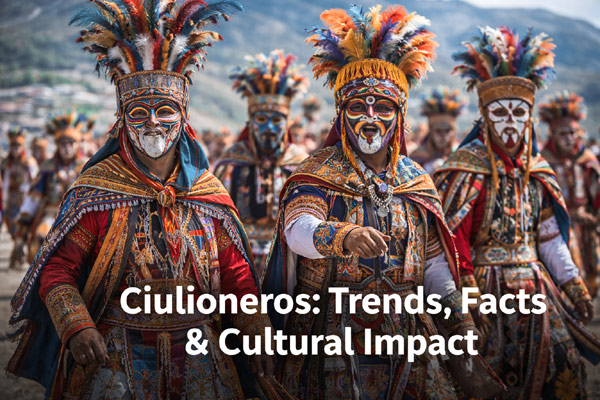
Table of Contents
What Does “Ciulioneros” Mean?
The exact origin of the term Ciulioneros remains somewhat mysterious, and no single universal definition exists. It is widely seen as a cultural label that reflects a collective identity tied to storytelling, art, and tradition. Some linguistic interpretations suggest a metaphorical meaning like “keepers of the thread” or “soul-weavers” — implying the role of weaving stories, values, and identity across generations.
Depending on the context, Ciulioneros may be associated with:
-
Traditional performers and custodians of heritage
-
Artistic movements rooted in historical practice
-
Subcultures representing creative expression
-
Online phenomena shaping digital identity
In every context, the essence of Ciulioneros emphasizes connection—whether to culture, creativity, or community.
Historical and Cultural Roots of Ciulioneros
Although modern references vary, many cultural traditions connected to Ciulioneros reflect deep roots in indigenous or rural communities where oral storytelling and performance were central to community life.
1. Guardians of Tradition
In several interpretations, It represent cultural guardians — people who preserve heritage through performance, dance, music, and storytelling. These individuals or collectives maintain traditions that predate modern digital culture.
2. Keepers of Oral History
Long before written records were widespread, communities used performance, song, and dance to transmit knowledge. It in this context, embody those practices — using body movement, rhythm, and communal memory to sustain cultural continuity.
3. Ritual and Ceremony
Traditional acts are closely connected to festivals, seasonal rituals, and ancestral celebrations. These performances carry symbolic meaning, often associated with nature, spirituality, and collective identity.
Read More – Movierulz Kannada
Key Features of the Ciulioneros Identity
Although interpretations of Ciulioneros vary by region and context, several recurring themes help describe their identity:
Deep Cultural Connection
Ciulioneros are deeply connected to community history and environment. Their performances often reflect local values, mythology, and spiritual worldview.
Storytelling Through Art
Instead of written archives, they use body movement, textiles, murals, music, and rituals to narrate stories of ancestry, survival, and community identity.
Respect for Tradition and Elder Wisdom
In many cultures, elders guide the younger generation — teaching not just techniques but the meaning behind symbolic actions and creative behavior.
Oral and Performance Heritage
Performance art is a living archive, where each dance, drumbeat, or gesture carries layered cultural significance.
Ciulioneros in Art and Creative Expression
One reason Ciulioneros has become interesting to scholars and enthusiasts is how their identity bridges art, creativity, and cultural continuity.
Visual Arts
Symbols like spirals, eyes, and labyrinths appear in murals, textiles, and sculptures associated with Ciulioneros. These visual elements often double as metaphors for life cycles, spiritual journeys, and community values.
Music and Performance
Music, rhythm, and communal dance are central. Traditional instruments such as drums, flutes, and rattles are often used to mimic sounds of nature — wind, water, and earth — embedding performance with ecological meaning.
Textiles and Craftsmanship
For some groups, textiles serve as living storytelling devices. The patterns and colors may encode tales of history, migration, or spiritual belief, acting as portable archives of cultural memory.
Digital Trends and Modern Cultural Evolution
While Ciulioneros may have traditional roots, the term has also found new relevance in the digital age.
Digital Communities
With social media, It identity has spread beyond local communities. Users on platforms like TikTok, Instagram, or forums use the term to describe creative groups, meme culture, or unique visual identities.
Urban Cultural Fusion
The spirit has entered urban street culture, where elements of traditional art blend with contemporary styles — from graffiti to fashion and film.
Global Creative Influence
Modern artists, musicians, and designers draw inspiration from symbolism, keeping tradition alive while adapting to contemporary audiences.
Ciulioneros and Language Evolution
The development of Ciulionero demonstrates how language evolves in social contexts. Words once tied to specific traditions can become broader cultural or creative signifiers in digital culture.
In many cases, terms like used below:
-
From literal cultural labels
-
To metaphors or symbolic expressions
-
To slang or community identifiers
-
To aesthetic or artistic brands
This fluid use highlights how language in the digital era reflects identity, shared values, and community imagination.
Geographic and Cultural Variations
The Ciulioneros identity is not confined to a single culture or place. Instead, variations appear in:
-
South American traditions of masked performance and storytelling
-
Indigenous ceremonies combining music, dance, and spiritual elements
-
Urban and digital reinterpretations of symbolic identity
These variations show that Ciulioneros can both preserve heritage and adapt meaningfully to modern contexts.
Why Ciulioneros Matter Today
In a world of global connectivity and cultural exchange, It represent a living link between past and present. Their practices and symbolism:
-
Preserve community identity
-
Encourage creative expression
-
Provide cultural continuity
-
Inspire modern art and digital interpretation
In many ways, It remind us that heritage is not static, it lives in performance, storytelling, art, and shared values.
Modern Examples of Ciulioneros Influence
Today, the It spirit appears not only in traditional settings but also in:
-
Music videos blending old rhythms with new beats
-
Street art celebrating symbolic motifs
-
Fashion that mixes tribal patterns with contemporary design
-
Digital art and NFTs reflecting traditional symbolism
This evolution shows how It continue to shape cultural expression globally.
Read More – Myfastbroker mortgage brokers
Challenges Facing Ciulioneros Traditions
Like many cultural identities, face challenges:
-
Risk of commercialization or cultural exploitation
-
Loss of tradition due to globalization
-
Misinterpretation in digital contexts
-
Threats to authenticity from outside influences
Efforts to preserve cultural integrity, community ownership, respectful collaboration, and protective legal measures help safeguard heritage while allowing growth.
Ciulioneros and Cultural Sustainability
The ongoing evolution of It practices shows how culture can adapt without losing meaning. Cultural sustainability means:
-
Respecting tradition
-
Integrating modern expression responsibly
-
Avoiding appropriation
-
Ensuring community voice and leadership
This balance helps ensure that it remains relevant and valued without compromising its roots.
Conclusion
Ciulioneros is a term rich with cultural depth, symbolic meaning, and evolving relevance. Whether seen in traditional performance, storytelling, textiles, modern art, or digital representation, its identity reflects a creative blend of history, expression, and continuity.
As global cultures interact and adapt, It show us how heritage can be both preserved and reimagined — connecting past values with contemporary creativity. In this way, the legacy of It continues to grow, inspiring new generations to explore identity, art, and cultural meaning.
Frequently asked question and answers
Q1: What does “Ciulioneros” mean?
Ans. It represents a cultural identity tied to creative expression, tradition, and community heritage.
Q2: Where did Ciulioneros originate?
Ans. Origins are linked to cultural practices in regions where traditional storytelling, music, dance, and symbolism played central roles.
Q3: Is Ciulioneros a modern trend?
Ans. Yes, it has evolved into a broader cultural and digital phenomenon while retaining traditional roots.
Q4: How is Ciulioneros expressed today?
Ans. Through traditional performances, visual art, fashion, urban culture, and online creativity.
Follow – https://viraldigimedia.com for More Updates
